
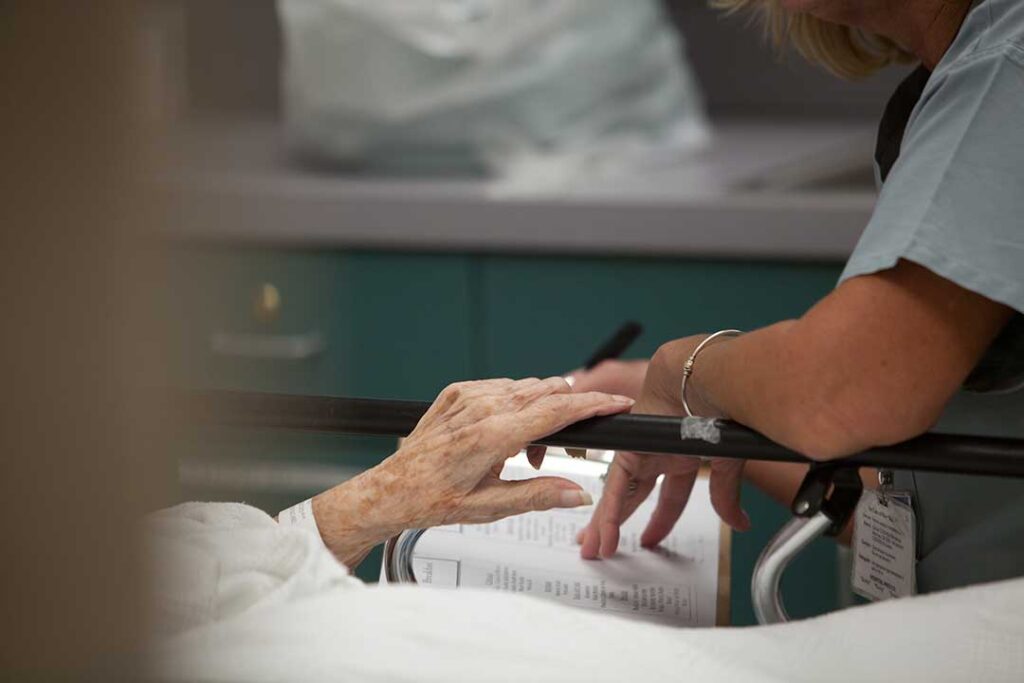
Assisted living has become an essential part of life for many families in Somerset, Pennsylvania. Nestled at the scenic foothills of the Allegheny Mountains, Somerset offers a close-knit community atmosphere that is ideal for seniors who want to remain active, engaged, and supported as they age. One often-underappreciated yet pivotal member of the care team in these settings is the social worker. Their role extends beyond paperwork and compliance—they are advocates, counselors, and problem-solvers whose impact can be felt throughout local assisted living communities.
Understanding the Role of the Social Worker in Assisted Living
Social workers are licensed professionals trained to address emotional, social, and practical challenges experienced by seniors and their families. In assisted living, they are responsible for helping residents adapt to their new environment, supporting families through transitions, and collaborating with health professionals to ensure holistic care.
In Somerset, where strong family ties and community involvement are a way of life, social workers bridge the gap between professional care and personal connection. They understand the value of small-town living and use that knowledge to foster relationships and a sense of belonging for residents.
Key Responsibilities of Social Workers in Assisted Living
Social workers in assisted living wear many hats. Here’s how they positively impact the lives of Somerset’s seniors:
- Assessment and Care Planning: Social workers assess residents' physical, mental, and social needs. They develop individualized care plans in collaboration with nurses, doctors, and families.
- Emotional Support: Transitioning to assisted living can cause anxiety, grief, or depression. Social workers offer counseling and resources to help residents process their feelings and maintain emotional well-being.
- Advocacy and Rights Protection: Social workers act as advocates, ensuring that residents’ voices are heard and their rights are respected, especially if they are unable to speak up for themselves.
- Crisis Intervention: If there’s a family conflict, medical emergency, or behavioral issue, the social worker is trained to respond promptly and compassionately.
- Connecting to Local Resources: In Somerset, where community organizations and churches play a crucial role, social workers help residents tap into local support networks for spiritual needs, volunteering, or social activities.
- Family Education and Support: Social workers liaise between the facility and families, provide updates on their loved ones, and offer resources for coping with the challenges of aging.
How Social Workers Enhance Quality of Life for Residents
The presence of a dedicated social worker means more than just clinical support; it represents an elevated quality of life for residents. For many Somerset seniors, staying active and socially engaged is vital. Social workers organize group activities, facilitate communication with family, and identify hobbies and programs that align with the rural heritage of the region, such as gardening, crafts, or local history talks.
Furthermore, social workers recognize the importance of legacy and connection to roots. In Somerset, where traditions like the annual Farmers’ and Threshermen’s Jubilee or visits to the Flight 93 Memorial are cherished, social workers help residents stay connected to these community pillars, often coordinating trips or participation in local events.
Bridging the Gap Between Health Care and Community

Social workers are often the linchpin in ensuring that seniors’ needs extend beyond their medical care. They coordinate with local healthcare providers, arrange transportation to appointments at Somerset Hospital, and assist with transitions from hospitals or skilled nursing facilities back to assisted living.
They also ensure cultural and spiritual needs are met—whether by connecting residents with a nearby church or inviting local musicians to perform familiar Appalachian tunes, social workers help maintain the comforting rhythms of life Somerset residents have always valued.
Supporting Families Through the Transition
Family members often face difficult decisions and emotional stress when a loved one moves into assisted living. Social workers provide ongoing education about the aging process, help families navigate paperwork, and offer compassionate listening ears. In Somerset, where the sense of community is strong, social workers make a point to involve families, encouraging their participation in community events and meetings.
Answering Common Questions About Social Workers in Assisted Living
Many people have questions such as, "What does a social worker do in assisted living in Somerset, PA?", "How can social workers help my family member adjust?", or "Are there unique services for Somerset’s rural seniors?" Social workers are the go-to resource for answering these concerns, bringing their expertise and familiarity with the local community to address each situation individually.
Why Social Work Matters in Assisted Living Facilities
Without social workers, assisted living communities would lack a crucial resource for holistic care. Their presence ensures that residents are treated as whole individuals whose emotional, social, and cultural needs are as important as their clinical care.
In Somerset, the role of the social worker is magnified by the area’s unique lifestyle—a blend of rural traditions, strong family bonds, and deep-rooted community ties. They help weave these threads into the daily experiences of assisted living residents, making the transition smoother and the experience richer for everyone involved.
In Conclusion
The social worker is an invaluable asset to Somerset’s assisted living communities. Through advocacy, support, and resourcefulness, they ensure residents do not lose sight of their identities, values, and connections to the local community. For families and seniors alike, knowing there is a caring professional dedicated to their well-being makes all the difference in embracing this new chapter of life in Somerset, Pennsylvania.
