
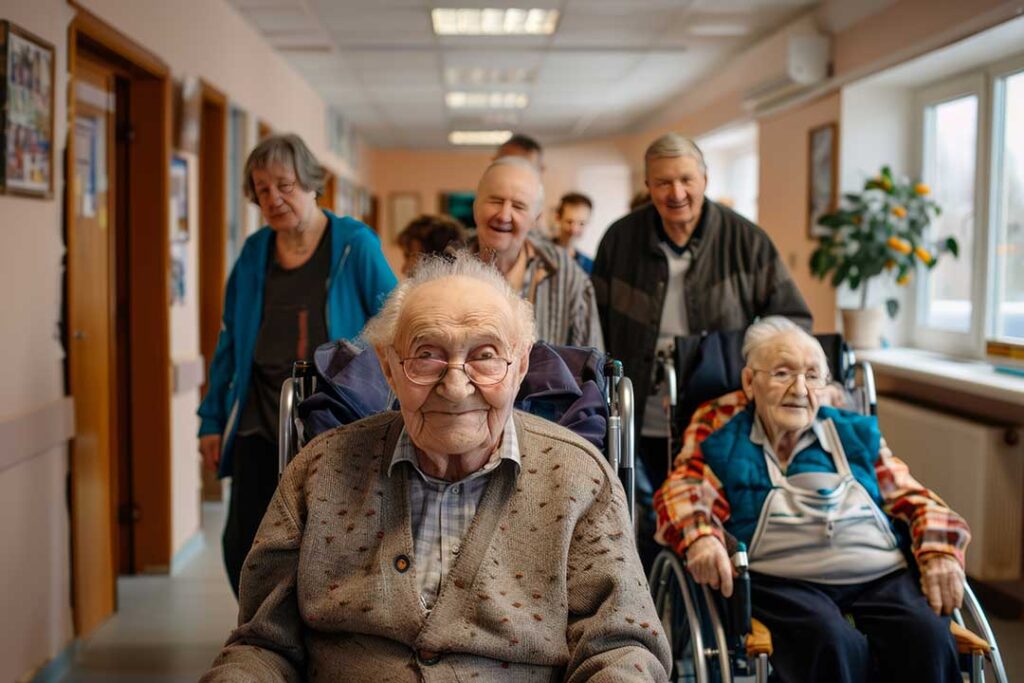
What Emotional Challenges Do People Face When Moving to Assisted Living?
Most residents experience a mix of emotions before and after moving to an assisted living community. Leaving a familiar home filled with memories can cause sadness, anxiety, or even guilt—common feelings for individuals and their families in Somerset, PA.
It's normal for newcomers to feel uncertain about adapting to a new environment. Some residents worry about losing independence or being separated from lifelong friends and neighbors. These feelings may be intensified by changes in season, especially during Somerset’s long winters, when travel and family visits can be less frequent.
Coping strategies that help locals include:
- Bringing personal items from home, like photographs, favorite chairs, or handmade quilts
- Scheduling regular family visits, calls, or video chats
- Getting involved in community activities or clubs to form new connections
Misconceptions often arise around "losing control" of daily routines, but many find that thoughtful staff and flexible community policies support personal choice.
How Do New Residents Adjust to Community Living?
Residents new to assisted living may face challenges blending into a shared environment after many years in private homes. Unlike a single-family residence or local apartment, community living in the city often means sharing dining spaces, recreation areas, and even simple routines.
Questions about privacy, noise, and adjusted schedules are common:
- “Will I have enough quiet time?”
- “How can I maintain my regular bedtime or meal preferences?”
Adjustment can require patience as residents learn to navigate new rules, shared amenities, and a wider mix of personalities. Some initially hesitate to participate in group meals or activities, especially if they are naturally introverted or have mobility limitations linked to Somerset’s hilly landscapes.
Solutions that ease the transition:
- Customizing room layouts for privacy and comfort
- Discussing schedule preferences with staff for support
- Exploring activities in small groups or with a friend first
Many find that with time and gentle participation, assisted living brings new social opportunities and a supportive peer community.
What Physical and Logistical Concerns Commonly Arise?
Physical relocation in Somerset poses special considerations, such as weather, the age of homes being left behind, and the logistics of downsizing from a house to a single suite or studio. The move itself can be emotional, but practical issues can create frustration:
- Deciding what to bring and what to donate, especially bulky furniture or family heirlooms
- Managing the safe transport of items during rain or snow—a genuine local concern, particularly in late fall or early spring
- Adjusting to a smaller living space while still feeling “at home”
Residents and families benefit from clear communication about move-in policies and checklists. Some underestimate how different daily routines can feel once a person’s favorite chair or cooking tools are out of reach.
Are Healthcare and Medication Transitions Difficult?
Transferring medical care to staff-supported management introduces new routines for many people. In Somerset, residents often ask:
- “Will I keep seeing my current doctor?”
- “How closely are medications monitored?”
- “What happens if I need urgent care during a snowstorm?”
Clarifying how medical needs are addressed helps settle concerns. Residents should expect nursing staff to coordinate closely with outside providers and local pharmacies. It’s usually possible to maintain ongoing relationships with primary doctors, though on-site staff will handle medication reminders and many day-to-day needs.
Unexpected hurdles can occur if there are delays in transferring medical records or if family cannot easily bring prescription refills during severe weather. Those moving from more rural outskirts into city communities may notice increased support—but also more processes to follow.
How Can Loved Ones Remain Connected?
Maintaining relationships can be a concern, especially if family or friends live further from Somerset or lack reliable transportation during the winter. Residents often worry about becoming isolated.
Common challenges:
- Fewer spontaneous visits if loved ones face challenging road conditions
- Setting up reliable video calls for connections with children, grandchildren, or old friends in other regions
- Navigating new privacy rules around guest visits or shared spaces

Families who set up a regular visitation or phone schedule—keeping in mind Somerset’s seasonal rain, fog, or snow—help smooth the social transition. Many communities offer special areas for private gatherings, which can be reserved even during flu season or other restrictions. Learning the guidelines early helps avoid frustration.
What Everyday Routines Change After the Move?
Daily life feels different for nearly everyone who moves. Small adjustments can take weeks to settle comfortably, especially for people used to self-sufficiency.
Examples include:
- New meal times, with communal dining hall hours replacing kitchen-table flexibility
- Shared laundry facilities instead of personal washers and dryers
- Adaptation to fire drill schedules or building maintenance interruptions more common in larger living complexes
Residents used to gardening may miss easy access to a backyard or outdoor space, something to consider given Somerset’s distinct summer and winter weather patterns. Asking about community gardening beds or outdoor seating helps ease the sense of loss.
For some, the benefits—less shoveling snow, no yardwork, more support with home maintenance—outweigh the loss of single-family home routines.
What Should Residents Know About Independence and Control?
A major worry is losing autonomy. Many Somerset residents ask whether community rules will allow them to make decisions about personal schedules, activities, or preferences.
Assisted living aims to balance safety with independence:
- Many routines (like wake-up times or hobbies) remain an individual choice
- Residents can typically decorate their private space as they like, within certain safety guidelines
- Choices about meals, activities, or spending time off-site can usually be individualized
Some misunderstand assisted living rules as rigid or “one size fits all.” In practice, flexibility is the norm—though certain safety measures (such as emergency response procedures) apply to everyone.
Misconceptions and Overlooked Factors
A few assumptions can cause added stress:
- Expecting an immediate sense of “home” after the move
- Overlooking the learning curve for new technology (like emergency call buttons or video chat setups)
- Forgetting to ask about guest policies, mail services, or hobbies
Starting open conversations with staff and other residents speeds up the adjustment. Involvement in resident meetings or suggestion groups helps create a stronger sense of belonging over time.
