
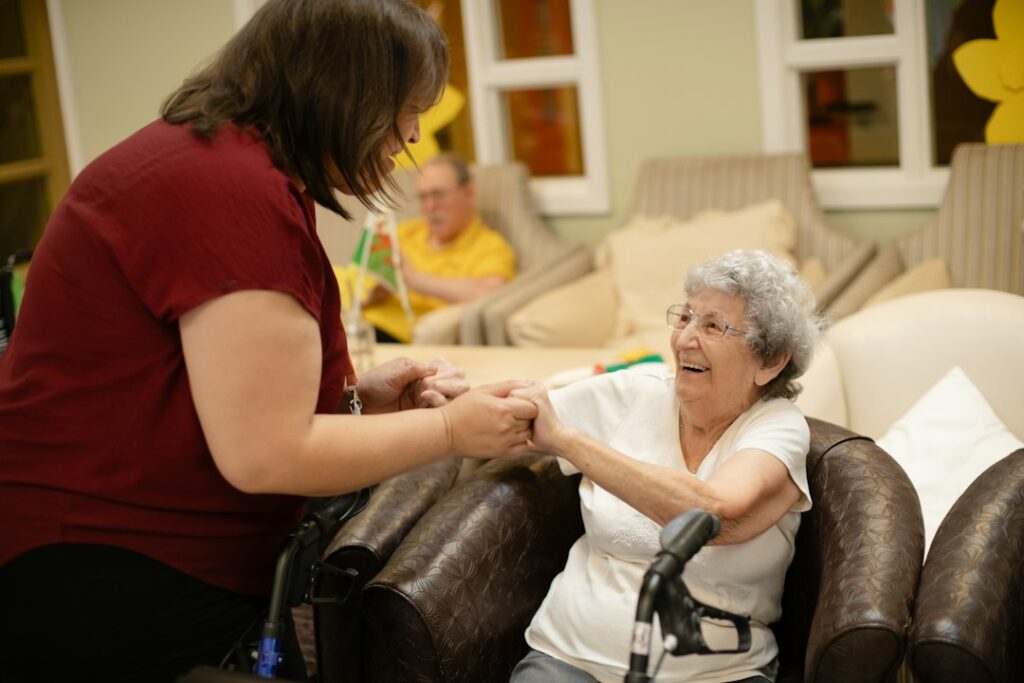
Dementia can affect memory, communication, judgment, mood, mobility, and the ability to manage everyday tasks. In assisted living, effective support combines personal familiarity, predictable routines, careful observation, and respect for the resident’s independence.
For families in Somerset, PA, the transition to assisted living may bring added concerns about winter weather, transportation, distance between households, and how changes in routine affect an older adult. A thoughtful care plan can address these practical issues while preserving dignity and quality of life.
How can assisted living staff support a person with dementia?
The most helpful support is consistent, individualized, and based on the person’s current abilities. Staff should learn the resident’s history, preferences, habits, communication style, health conditions, and common sources of distress.
A useful care profile may include:
- Preferred name and familiar topics
- Typical sleep and meal patterns
- Favorite foods, music, hobbies, or religious practices
- Previous work, family roles, and meaningful life experiences
- Known fears, dislikes, triggers, or calming strategies
- Vision, hearing, mobility, and communication needs
- Signs of pain, illness, hunger, thirst, or fatigue
Dementia changes over time, so the care plan should be reviewed whenever there is a noticeable change in behavior, appetite, sleep, walking ability, communication, or personal care needs. A resident who once managed dressing independently may later need clothing placed in sequence or step-by-step reminders.
What is the best way to communicate with someone who has dementia?
Use simple, respectful communication and allow extra time for a response. Speak directly to the resident rather than discussing the person as if they are not present.
Helpful approaches include:
- Approach from the front and use the resident’s name.
- Make eye contact and speak in a calm, natural tone.
- Ask one question at a time.
- Offer two clear choices, such as “Would you like tea or water?”
- Use short, concrete instructions.
- Demonstrate a task when spoken directions are confusing.
- Reduce television, hallway, and background noise during conversations.
- Check whether hearing aids, glasses, or other assistive devices are working.
- Avoid arguing about facts the person remembers differently.
Correcting every mistake can increase frustration without improving understanding. If a resident insists that they need to “go home” or asks repeatedly about someone who has died, responding to the underlying emotion may be more effective than trying to prove the person wrong. Statements such as “You miss feeling safe at home” or “You are looking for your family” can acknowledge the feeling and open the door to reassurance.
How can daily routines reduce confusion?
Predictable routines help many people with dementia know what to expect. Meals, bathing, medication, activities, and bedtime should occur at generally consistent times, while allowing flexibility for the resident’s pace and preferences.
Transitions are often easier when staff explain what will happen next. For example, “After breakfast, we will walk to the activity room” is clearer than giving several instructions at once.
Morning and evening may require different types of support. Some residents are more alert earlier in the day, while others become restless or confused later in the afternoon. Staff can schedule demanding tasks when the resident is most capable and offer quieter activities during periods of fatigue.
Personal care should preserve participation. Instead of completing every task automatically, staff can invite the resident to hold a washcloth, choose between two shirts, brush their hair, or place clothing in a drawer. These small choices support identity and independence.
What should families know about difficult behaviors?
Agitation, pacing, resistance to bathing, shouting, withdrawal, or repeated questions are usually signs of an unmet need rather than deliberate misbehavior. Possible causes include pain, constipation, infection, hunger, thirst, loneliness, fear, fatigue, medication effects, uncomfortable clothing, or difficulty seeing or hearing.
A practical response includes:
1. Pause and lower the amount of stimulation.
2. Look for a physical need or recent change.
3. Use reassurance rather than confrontation.
4. Offer a familiar activity or a quieter location.
5. Record what happened, including the time, setting, people present, and what helped.
6. Share patterns with the care team and medical providers.
A sudden change in confusion, alertness, behavior, balance, or appetite deserves prompt medical attention. Delirium caused by illness, dehydration, medication problems, or infection can resemble a worsening of dementia but may require urgent treatment.
How can assisted living reduce falls and wandering risks?
Safety measures should reduce hazards without making the resident feel imprisoned or constantly supervised. Staff and families should consider lighting, flooring, footwear, bathroom access, furniture placement, door awareness, and safe walking areas.
Common precautions include:

- Keeping hallways and bathrooms well lit
- Removing loose rugs and clutter
- Using clearly visible signs or familiar visual cues
- Providing sturdy chairs with arms
- Encouraging appropriate movement and exercise
- Reviewing medications that may cause dizziness or sleepiness
- Monitoring changes in gait, balance, or strength
- Identifying patterns behind attempts to leave
Wandering may reflect a search for a person, place, activity, bathroom, or familiar responsibility. A resident who repeatedly heads toward an exit may be trying to “go to work,” pick up a child, or return to a former home. Understanding the purpose can guide a safer response.
Seasonal conditions deserve attention in Somerset. Snow, ice, early darkness, and cold temperatures can increase fall and exposure risks for anyone who leaves an assisted living setting unexpectedly. Families should make sure the care plan includes current photographs, emergency contacts, relevant medical information, and details about places or activities the resident may seek.
How should families stay involved after the move?
Moving into assisted living does not end the family’s role. Regular communication helps staff recognize changes that may not be obvious during a short visit, while family members learn what approaches are working.
Families can provide:
- A written personal history
- Familiar photographs and labeled belongings
- Information about food preferences and past routines
- A list of medications, allergies, diagnoses, and communication needs
- Notes about recent changes in sleep, mood, walking, or appetite
- Updates about important family events or losses
Care-plan meetings are useful opportunities to ask whether the resident is eating, sleeping, participating, walking safely, and receiving the right amount of help. Questions should focus on observable details, such as “What happens before the resident becomes upset?” or “Which activities seem to improve mood?”
Visits do not need to be long to be meaningful. Looking through photographs, folding towels, listening to familiar music, taking a supervised walk, or sharing a snack may create more connection than a conversation filled with memory-testing questions.
What preserves dignity for a person with dementia?
Dignity comes from treating the resident as a whole person rather than as a diagnosis. Staff and visitors should continue speaking directly to the person, offering choices, protecting privacy, and recognizing preferences even when verbal communication becomes limited.
Avoid infantilizing language, public correction, unnecessary rushing, or discussing private care details in shared areas. A resident may no longer remember a visitor’s name but still recognize warmth, tone of voice, facial expression, music, or touch.
The goal of dementia support is not to force normal memory or eliminate every difficult moment. It is to provide safety, comfort, meaningful participation, and respectful care as abilities change.
